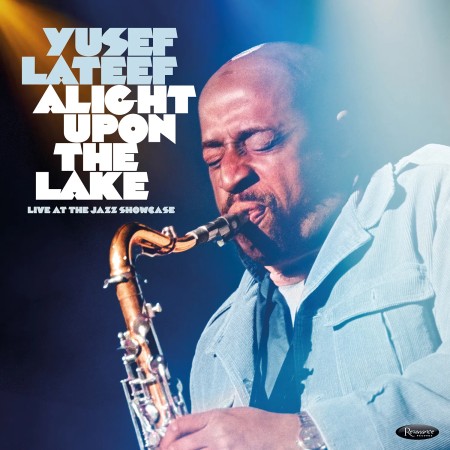
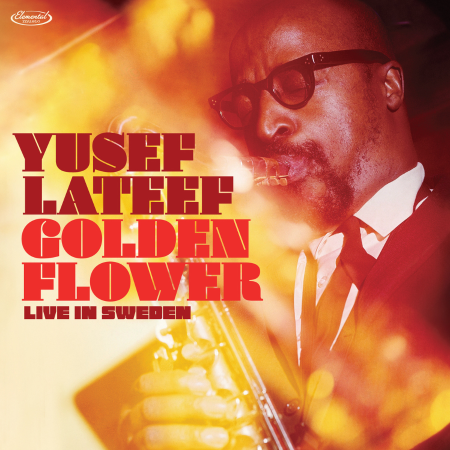
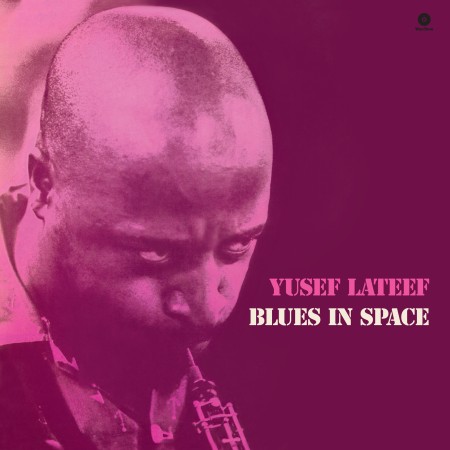
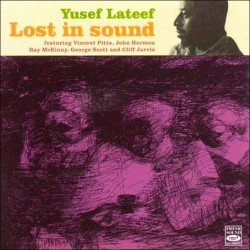
Liste des produits de l'artiste Yusef Lateef
Introduction
Yusef Lateef, a name that evokes deep reverence for innovation and spiritual pursuit in the music industry, was a monumental figure in the world of jazz and global music. His insatiable curiosity took him beyond the traditional boundaries of the genre, fusing elements from diverse cultures and creating a singular sound that defied classification.
His legacy lies not only in the vastness of his discography but in the philosophy underlying each of his performances: music as a vehicle for soulful expression and universal connection.
Biography of Yusef Lateef
Yusef Lateef, born William Emanuel Huddleston on October 9, 1920, in Chattanooga, Tennessee, was a transformative force in music. His family moved to Lorain, Ohio, and later to Detroit, Michigan, where his passion for saxophone and other instruments began to flourish.
From an early age, he immersed himself in the city’s vibrant jazz scene, absorbing influences and developing his own distinctive sound. In 1949, Lateef embraced Islam and changed his name to Yusef Lateef—a moment that would deeply mark his personal and artistic life, influencing his lifelong spiritual quest through music.
Throughout his life, he was a tireless educator and an advocate of music as a force for good, teaching in various academic institutions and sharing his wisdom with countless students and peers.
Yusef Lateef’s early years in music were shaped by his participation in the thriving bebop scene. He played with legendary figures such as Dizzy Gillespie in his orchestra during the late 1940s. However, his innate curiosity quickly led him beyond the confines of any single genre.
Starting in the 1950s, he began integrating instruments and scales from different cultures, introducing the oboe, bassoon, shofar, bamboo flute, and a wide array of African and Asian percussion into the context of jazz. This exploration made him one of the pioneers of what would later be known as "world music", long before the term was coined.
In the following decades, Yusef Lateef developed his own musical philosophy, which he called "Autophysiopsychic Music"—a concept that embodies the idea that music should flow directly from the musician’s inner being, encompassing physical, psychological, and spiritual elements without relying on pre-established harmonies or rhythms.
Lateef passed away peacefully at his home in Massachusetts on December 23, 2013, at the age of 93. His departure left an immense void in the world of music, but his prolific body of work and guiding philosophy live on.
Musical Influences of Yusef Lateef
Though rooted in American jazz, Lateef’s curiosity led him to absorb musical elements from cultures around the world, creating a truly global sound.
In his early years, like many of his contemporaries, he immersed himself in bebop, with the harmonic complexity and technical speed of players like Charlie Parker and Dizzy Gillespie laying the foundation for his improvisational approach.
A profound influence, however, came from Middle Eastern and West African music. After converting to Islam, his interest in these cultures deepened, prompting him to study instruments, scales, and musical philosophies from regions such as Egypt, Morocco, Nigeria, and India. In fact, he incorporated instruments like the oboe (unusual in jazz), bassoon, arghul, shofar, and various bamboo flutes, drastically enriching jazz’s sonic palette.
But Lateef didn’t just bring new instruments—he also integrated the modal structures and rhythmic sensibilities of these traditions, often employing drones and repetitive patterns that evoked a sense of Eastern mysticism.
His interest in Western classical music was also evident, particularly in his mastery of the oboe and bassoon, as well as in his compositional approach to certain arrangements. This combination of jazz’s improvisational freedom, Eastern modal richness, and classical structure formed the foundation of his Autophysiopsychic Music.
Performance Collaborations
Lateef was part of Dizzy Gillespie’s big band in the late 1940s—a crucial experience in his bebop formation. He also collaborated extensively with pianist Cannonball Adderley, recording several albums in the early 1960s.
Another significant partnership was with drummer and bandleader Randy Weston, himself a pioneer in merging jazz with African influences. Lateef also worked with the legendary bassist Charles Mingus—not in extensive studio sessions, but in various performances where Mingus’s intensity and Lateef’s exploratory spirit aligned powerfully.
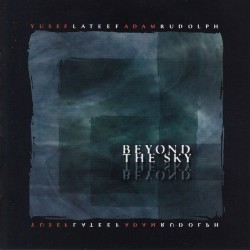
In his later years, Lateef continued collaborating with musicians from diverse generations and cultural backgrounds, including multi-instrumentalist Adam Rudolph, with whom he explored new directions in global music, remaining deeply committed to his Autophysiopsychic vision.
Discography of Yusef Lateef
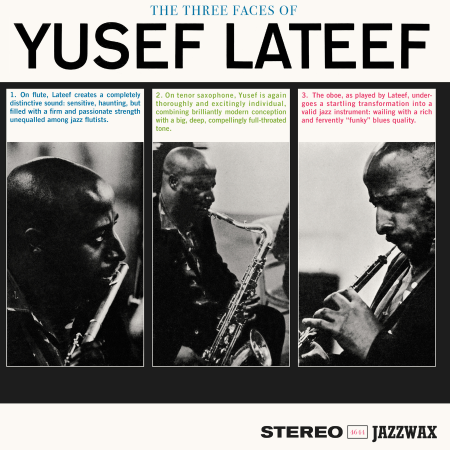
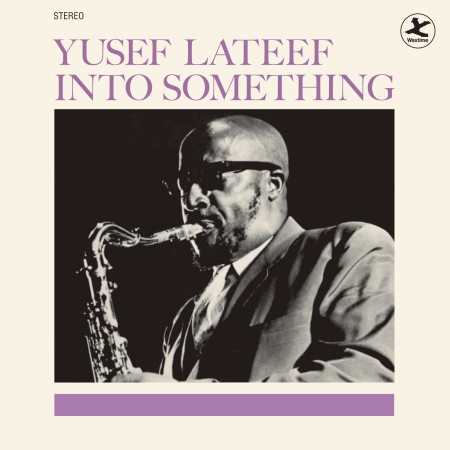
Yusef Lateef’s discography is a testament to his instrumental mastery and unique artistic vision. Here is a selection of his most influential and representative albums:
- Jazz for the Thinker (1957)
- Jazz Mood (1957)
- Before Dawn: The Music of Yusef Lateef (1957)
- Jazz and the Sounds of Nature (1957)
- Prayer to the East (1957)
- The Dreamer (1959)
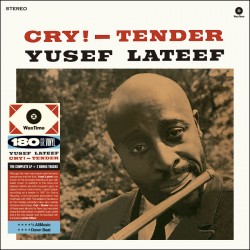
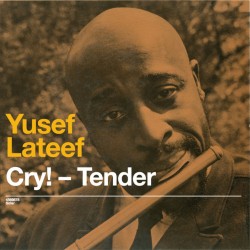
- Cry! Tender (1959)
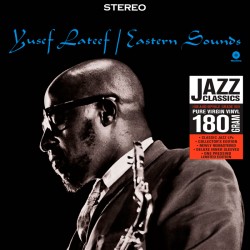
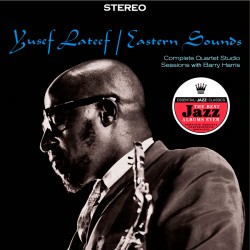
- Eastern Sounds (1961)
- Into Something Else (1962)
- Jazz ’Round the World (1964)
- Live at Ronnie Scott’s (1966)
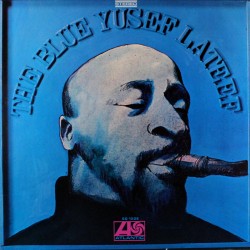
- The Blue Yusef Lateef (1968)
- Detroit (1969)
- The Gentle Giant (1971)
- Hush ’N’ Thunder (1973)
- Ten Years Hence (1975)
- The Doctor Is In... And Out (1976)
- Autophysiopsychic (1977)
- In a Temple Garden (1979)
- In Nigeria (1983)
- Yusef Lateef’s Little Symphony (1987)
- Duets (1989)
- The African-American Epic Suite (1993)
- The World at Peace (1997)
- The Traveler (2002)
- Influence (2005)
Most Famous Songs
Yusef Lateef created a catalog of recordings that are true musical odysseys. These are three of his most iconic pieces:
Love Theme from Spartacus
Perhaps his most recognized and celebrated performance. With it, Lateef transformed Alex North’s cinematic theme into a profound and moving jazz meditation.
Palestine
A gem from the influential album Eastern Sounds, this piece uses modal scales and melodic structures that evoke Middle Eastern music, transporting listeners to a different sonic landscape.
Russell & Norma
This composition stands out for its hypnotic atmosphere and innovative use of flugelhorn. It moves between calm and intensity, showcasing Lateef’s mastery in creating emotionally rich and intricate soundscapes.
Discover the Beauty of Yusef Lateef’s Music at Jazz Messenger Music
Lateef’s music challenges us to move beyond the familiar, inviting us to appreciate the beauty of diversity and to find spirituality in every note.
To immerse yourself in the deep and revolutionary world of Yusef Lateef, we invite you to explore his vast discography at Jazz Messenger Music.
Ready to embark on an unprecedented musical journey?