

Servicio Atención Personal

Envíos certificados

Stocks garantizados

Paquete seguro

Pago seguro
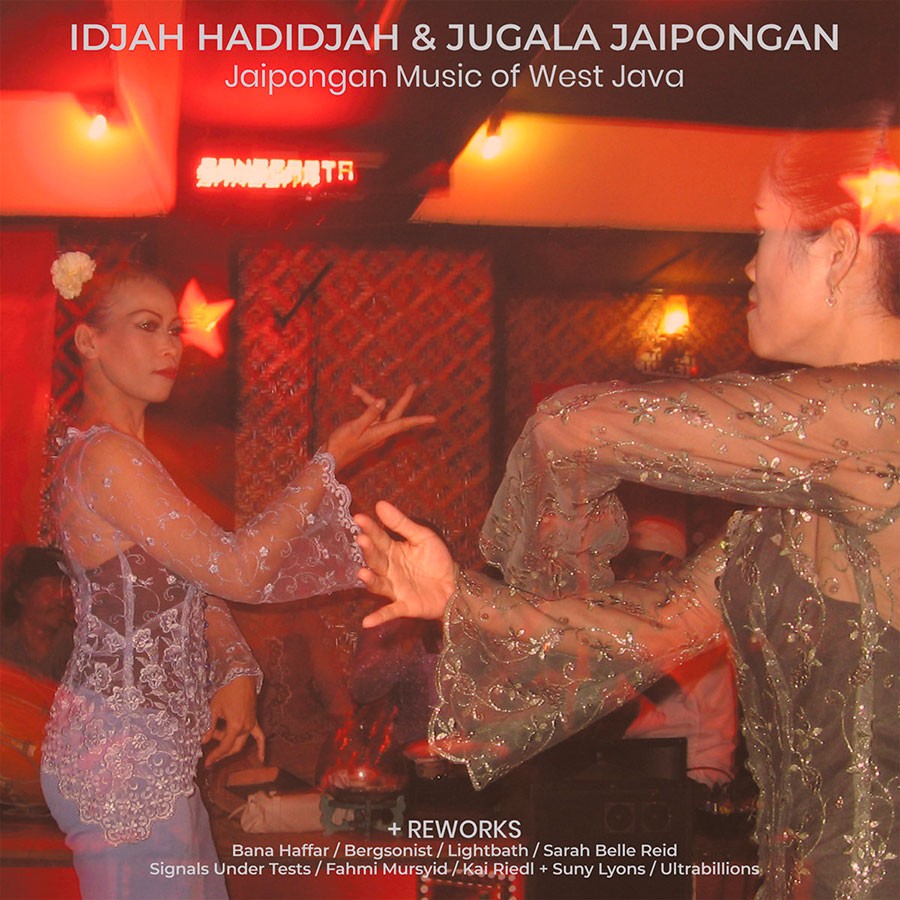
The singular expressions of music across Indonesia are seemingly limitless, though few are as dynamic and hold such a colorful history as jaipongan of West Java. The form of jaipongan we know today was born from the fields of Java where an early form of music called ketuk-tilu echoed over fields during harvest times.
Known for intense and complex drumming coordinated with equally dynamic solo female dancing, ketuk-tilu performances included a rebab (a small upright bowed instrument), a gong, and ketuk-tilu (“three kettle gongs”). Though the original performance context of this music revolved around planting and harvesting rituals, with the singer accepting male dancing partners, over time ketuk-tilu became an outlet for village life expressing fertility, sensuality, eroticism, and, at times, socially accepted prostitution. Activities in the first half of the twentieth century that were best suited amongst the elements of harvest and outside of urban criticism.
LP ONE
A1 Idjah Hadidjah: Hiji Catetan
A2 Idjah Hadidjah: Sanga
A3 Idjah Hadidjah: Senggot
B1 Idjah Hadidjah: Sinyur
B2 Idjah Hadidjah: Tablo Kasmaran Naek Gendu
B3 Idjah Hadidjah: Tawis Soca
___________________________________
LP TWO
C1 Bana Haffar: Slow Hiji Catetan
C2 Bergsonist: Gameloan
C3 Lightbath: Insinyur Cahaya
C4 Sarah Belle Reid: Scintilla
D1 Signalsundertests: Dualism
D2 Fahmi Mursyid: Salawasna
D3 Kai Riedl & Suny Lyons: The Millionth Motion
D4 Ultrabillions: Imaginary Rebab No. 4
Ficha técnica
EAN