Precursor of a new Jazz style and with a unique way of playing the piano, Thelonious Monk was one of the most renowned American musicians in the industry, and one of the few to appear on the cover of Time magazine. Even after his passing, his music continues to resonate, becoming the primary influence for other artists in the genre.
He led his own group, played in other prestigious bands of the time, and his unique personality sparked much discussion. Moreover, today he boasts over three dozen recordings. Without a doubt, it was his connection to the piano, his carefree way of playing it, and his talent for composition that left a lasting mark on others' lives.
Biography
His full name was Thelonious Sphere Monk, and he was born on October 10, 1917, in Rocky Mount, a city located in Nash and Edgecombe counties, North Carolina.
He married Nellie Smith in 1949 and had two children, T. S. Monk and Barbara Monk. The former became a jazz drummer heavily influenced by his father’s music.
Thelonious Monk passed away from a stroke on February 17, 1982, at the age of 64, in Weehawken, Hudson County, New Jersey.
His Beginnings as a Pianist
At just six years old, he began his relationship with the piano, teaching himself to play. For many, this explains his original, rough, and unorthodox way of interpreting the instrument—a style loved by many and disliked by others.
Initially, he played at private parties and churches. At 18, he began touring with an evangelical preacher, traveling the world for two years. Upon returning, he founded his renowned musical group.
Thelonious Monk and Bebop
Monk is particularly known as the official precursor and leading performer of Bebop, a Jazz style that succeeded the classic Swing of the 1930s. Bebop was characterized by granting greater interpretative autonomy to musicians, allowing them to play at their own pace and rhythm.
This new style began developing in the early 1940s when Kenny Clarke, a drummer, selected Monk as the principal pianist for the famous Minton's Playhouse, a club located in Harlem, Upper Manhattan, New York City.
The Development of His Career
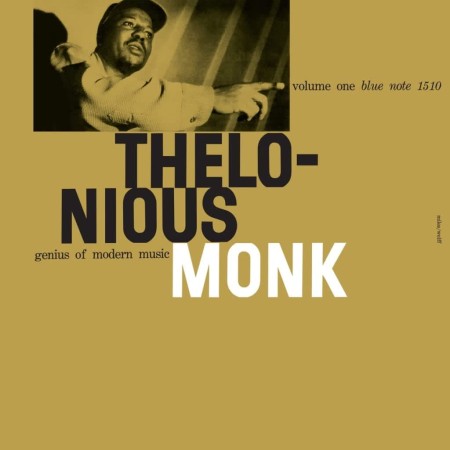
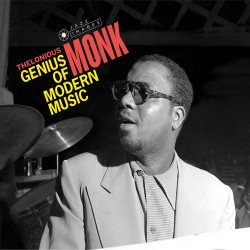
In 1947, after solidifying his style, Monk recorded his first album as a band leader, "Genius of Modern Music, Vol. 1." Following this, due to legal issues that prevented him from performing in nightclubs, he dedicated his time to composing and recording albums until the mid-1950s.
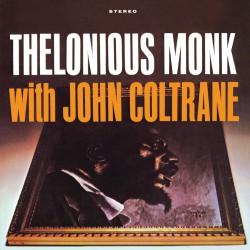
During this time, he worked with record labels like Blue Note and Prestige. Later, after achieving some professional success, he joined a quartet with John Coltrane, further cementing his fame and recognition as a professional jazz musician and instrumentalist.
In 1962, his band signed with Columbia Records, embarking on years of touring. However, in 1973, he retired from the quartet, reportedly due to health issues that kept him away from the music scene, only making brief appearances and collaborations until his death.
Musical Influences
Monk’s unique, irreverent, and self-taught style was initially influenced by pianists such as James P. Johnson and Willie "The Lion" Smith. However, as he developed his own rhythm, contemporary artists like John Coltrane, Dizzy Gillespie, Charlie Parker, Max Roach, Bud Powell, and other Bebop pioneers became his primary influences and later collaborators.
Collaborators in Performances
While part of the renowned Manhattan bar Minton's Playhouse, Monk collaborated with his fellow session musicians, improvising and laying the foundation of Bebop.
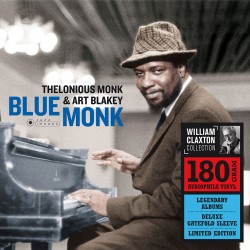
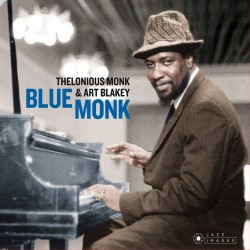
In the 1950s, he worked with jazz artists like Sonny Rollins (saxophonist) and Art Blakey (drummer) on several recording projects.
One of his most notable collaborations was with John Coltrane, as they played together in the same band.
Discography
Since 1943, when his first formal recording hit the market, Thelonious Monk produced 37 albums, each representing the evolution of Jazz within the genre:
- After Hours at Minton's
- Genius Of Modern Music: Volume 1
- Genius Of Modern Music: Volume 2
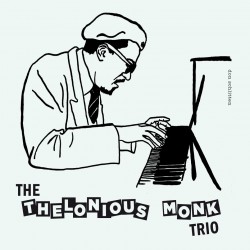
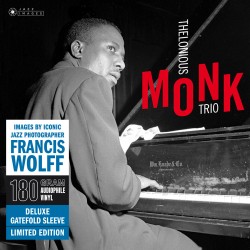
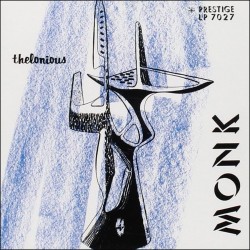
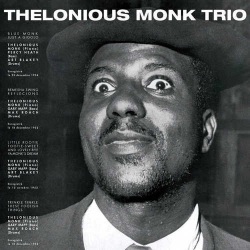
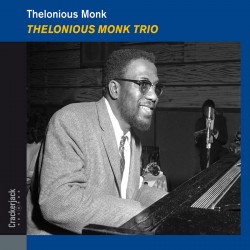
- Thelonious Monk Trio
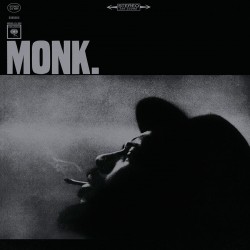
- Monk
- Thelonious Monk and Sonny Rollins
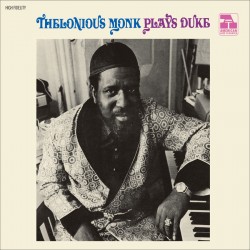
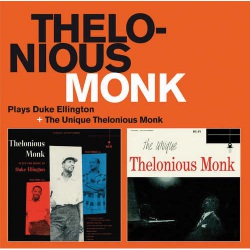
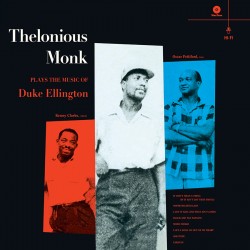
- Thelonious Monk plays the Music of Duke Ellington
- The Unique Thelonious Monk
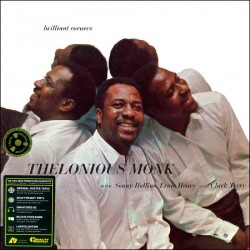
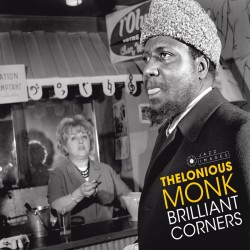
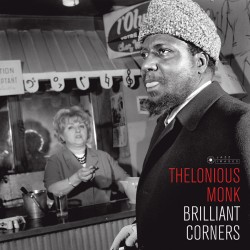
- Brilliant Corners
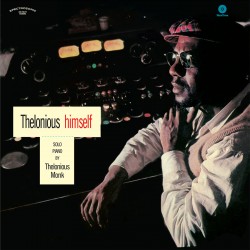
- Thelonious Himself
- Thelonious Monk with John Coltrane
- Art Blakey's Jazz Messengers with Thelonious Monk
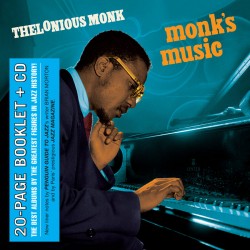
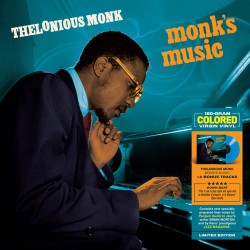
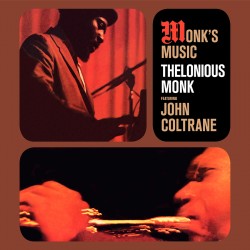
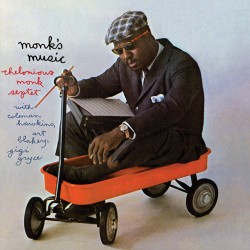
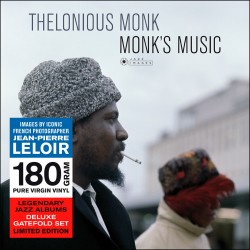
- Monk's Music
- Mulligan Meets Monk
- Blues dfu gft
- Thelonious in Action
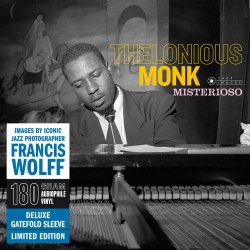
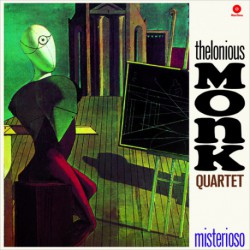
- Misterioso
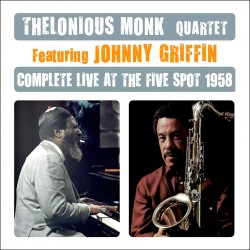
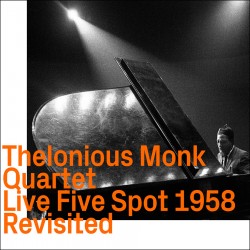
- Complete Live at The Five Spot
- The Thelonious Monk Orchestra at Town Hall
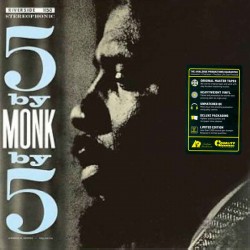
- 5 by Monk by 5
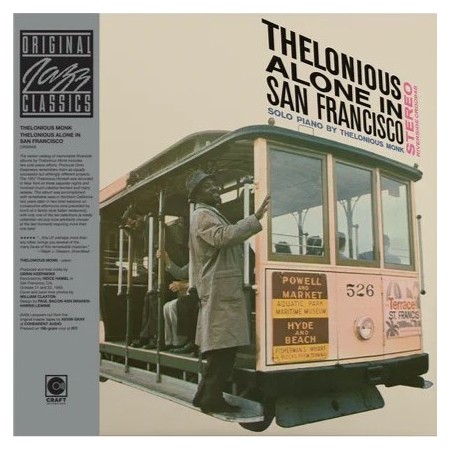
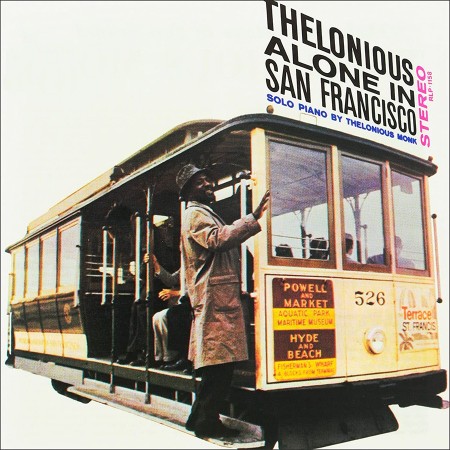
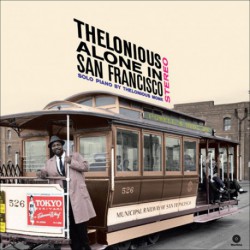
- Thelonious Alone in San Francisco
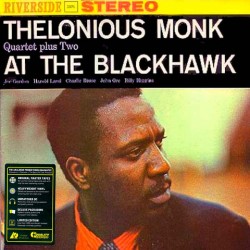
- Thelonious Monk at the Blackhawk
- Mance
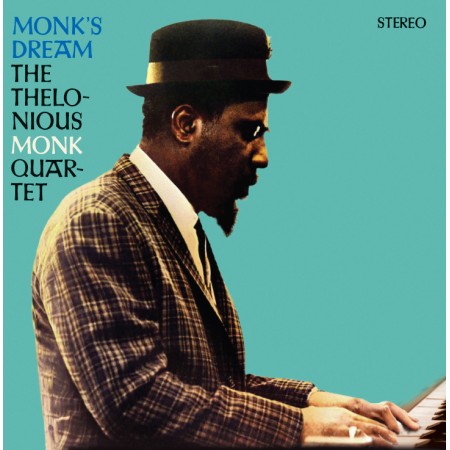
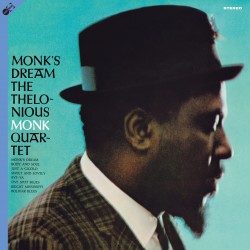
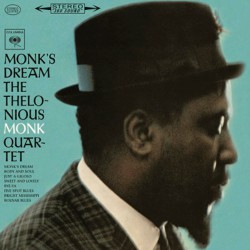
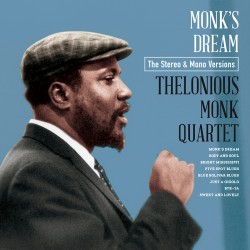
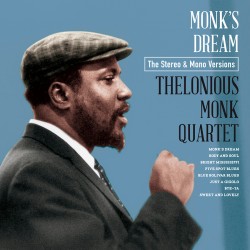
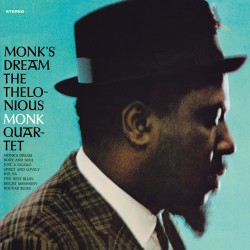
- Monk's Dream
- Criss Cross
- Monk in Tokyo
- Mil Monk at Newport
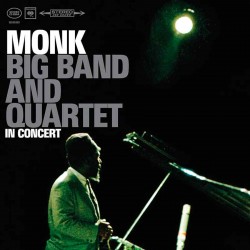
- Big Band and Quartet in Concert
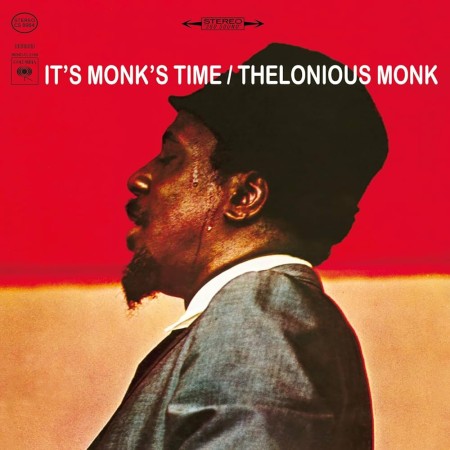
- It's Monk's Time
- Monk
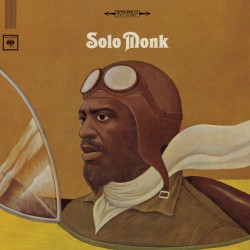
- Solo Monk
- Live at the It Club
- Live at the Jazz Workshop
- Straight, No Chaser
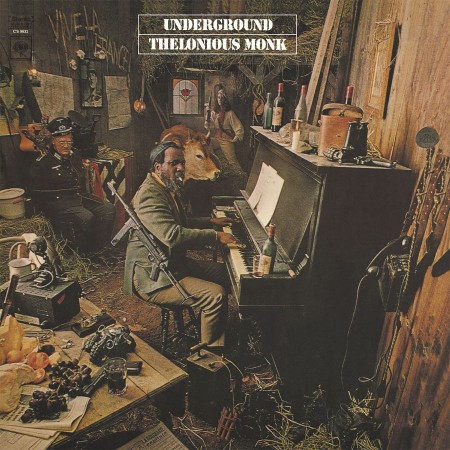
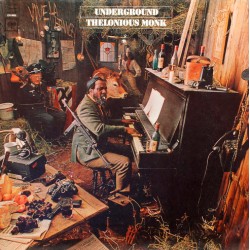
- Underground
- Monk's Blues
- The London Collection
Most Famous Songs
One of Monk’s most renowned songs is his self-composed “Ask Me Now.” Other highlights include “Crepuscule With Nellie” from his album Monk's Music, along with these notable tracks:
- Ba-lue Bolívar Ba-lues-are
- Bemsha Swing (con Denzil Best)
- Blue Hawk
- Blue Monk
- Blue Sphere
- Blues Five Spot
- Boo Boo's Birthday
- Brake´s Sake
- Bright Mississippi
- Brilliant Corners
- Bye-Ya
- Children's Song
- Coming On The Hudson
- Criss Cross
- Epistrophy (con Kenny Clarke)
- Eronel (con Idrees Sulieman, Sadik Hakim)
- Evidence
- 52nd Street Theme
- Four in One
- Friday the 13th
- Functional
- Gallop´s Gallop
- Green Chimneys
- Hackensack
- Hornin´ In
- Humph
- I Mean You (con Coleman Hawkins)
- In Walked Bud
- Introspection
- Jackie-ing
- Let's Call This
- Let's Cool One
- Light Blue
- Little Rootie Tootie
- Locomotive
- A Merrier Christmas
- Misterioso
- Monk's Dream
- Monk's Mood
- Monk´s Point
- North of the Sunset
- Nutty
- Off Minor
- Oska T.
- Pannonica
- Played Twice
- Raise Four
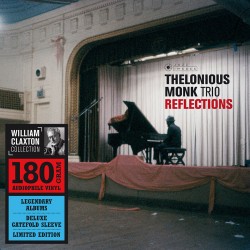
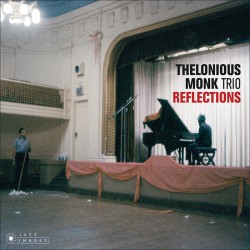
- Reflections
- Rhythm-A-Ning
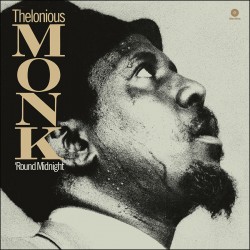
- ´Round Midnight (con Cootie Williams. letras: Bernie Hanighen)
- Ruby, My Dear
- San Francisco Holiday
- Shuffle Boil
- Sixteen
- Skippy
- Something In Blue
- Straight, No Chaser
- Stuffy Turkey
- Teo
- Thelonious
- Think of One
- Trinkle-Tinkle
- Two Timer
- Ugly Beauty
- We See
- Well You Needn't
- Who knows?
- Work
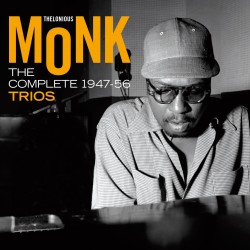
Thelonious Monk at Jazz Messengers Music
As part of our extensive collection of CDs and vinyl, Jazz Messengers Music offers some of the best recordings by Thelonious Monk. Complete your Jazz collection and enjoy the music of Bebop’s greatest piano performer.